The Conundrum Of Our Times Part 1

This is a complex time to trade the financial markets. We are trying to forecast against a backdrop of prolonged ultra low rates, collective quantitative easing programmes, united demographic downtrends and extreme debt levels amongst all the major nations. It would be generally inaccurate to say those factors are unprecedented, but they are rare historically.

Debt to GDP levels, only like the Great Depression.

12junn1Source: Peter Peterson

Prolonged ultra low interest rates not seen for 50 years.

12junn2Source: Lance Roberts

Demographics – here we are in fact making history with middle-to-old ratios, as never before has the world had such an old cohort influencing developments.

12junn4

Quantitative easing: only seen in Japan the decade prior and in some form in 1930s US.

Plus, we can add that we haven’t seen such low levels of inflation for 30 years. Looking longer back in time we saw a greater spectrum of ‘flation.

12junn8

Source: DShort

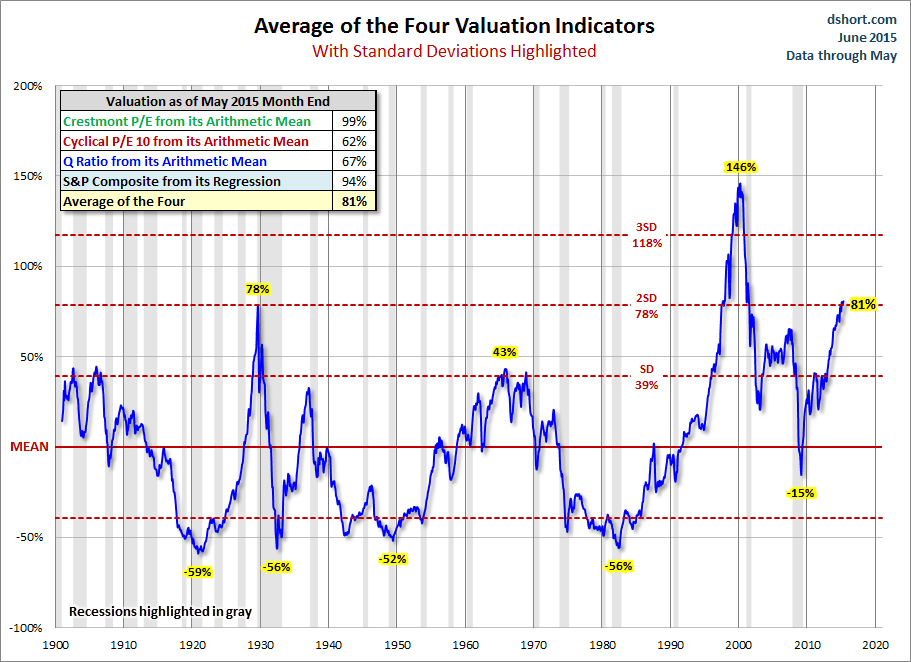
We are seeing other historic extremes too. Aggregate stock market valuations only have the run into 2000 now for company.
12junn6

Source: DShort

Leverage to GDP is at the same record extreme of the 2000 and 2007 peaks.12junn5
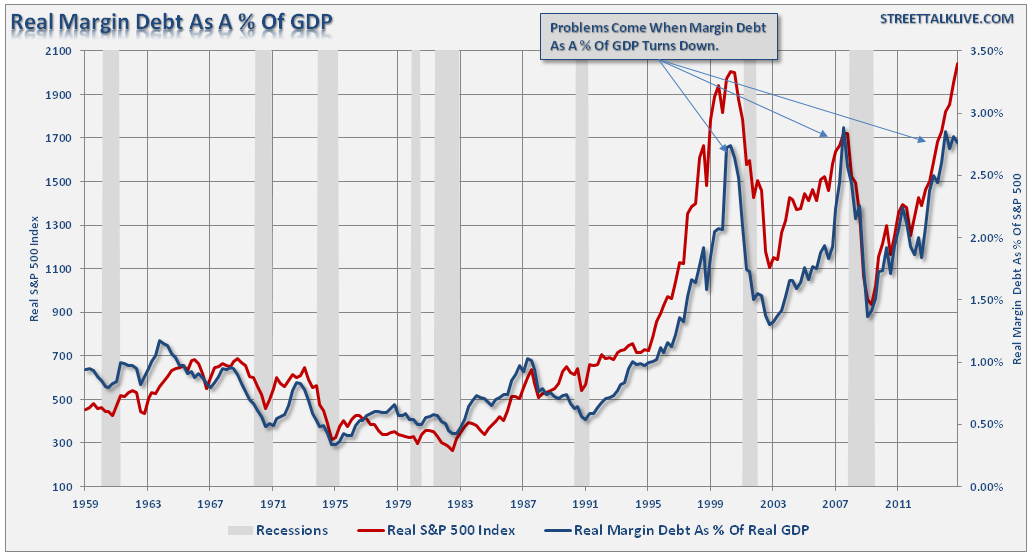
Source: Lance Roberts

US household exposure to equities was only beaten by the run into 2000 in the last 50 years.

12junn9

Source: ShortSideOfLong

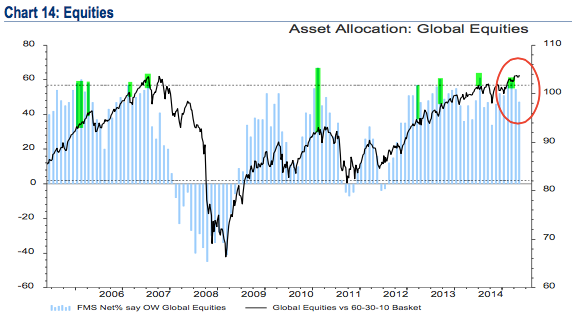
Fund manager allocations to global equities have been bumping up against equal record extremes.
12junn10

Source: Fat-Pitch

Sentiment towards equities has been record prolonged one-sided.

Screen Shot 2015-06-12 at 08.01.42

Source: Yardeni

Add these equity market indicators together and you get this kind of alert:
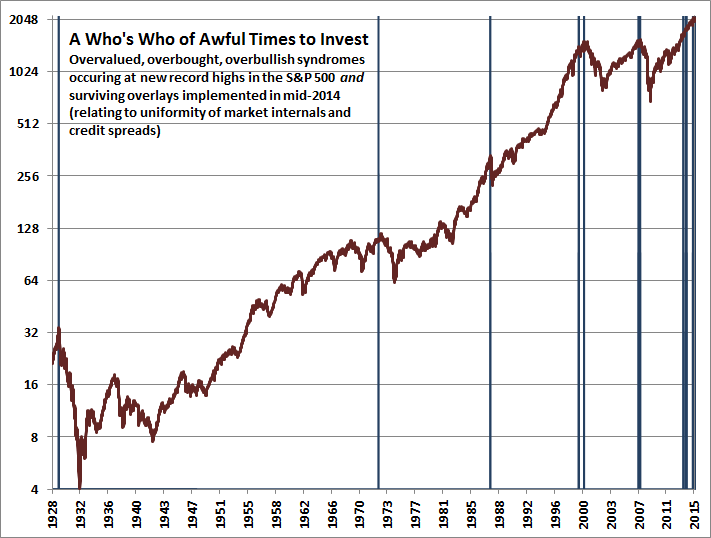
12junn12Source: Hussman

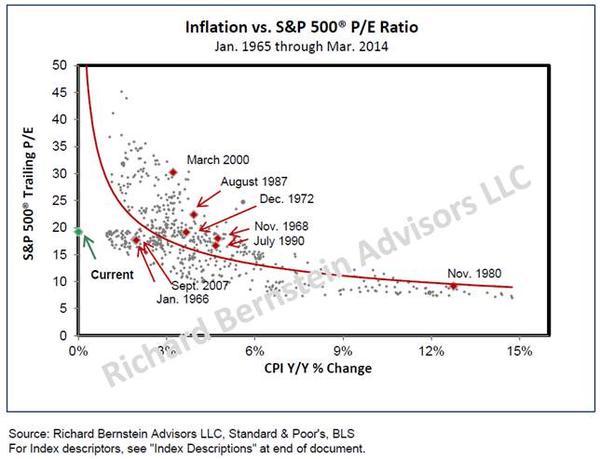
But now we need to add back in the environment, which is closest to the 1930s-40s. Or the last 20 years in Japan, which was the first to initiate ultra low rates and QE in the recent era, as it was the first major to go over the demographic cliff. How does this change things? Well, for example, we might look at valuations in the context of low inflation and argue they ought to go higher yet:
12junn16

Source: Richard Bernstein

Essentially, when we combine the economic/demographic environment with the financial market indicator extremes, we start to struggle for historical reference points, and therefore some kind of reliable probability calculation of where things are headed.

But there is more to add in to the mix. High frequency alto trading has become much more dominant than it ever was. Markets are globalised – and instant – like never before. Some central banks are buying equities. Plus there are two complex areas where there is a lack of full understanding: dark pools and derivatives. Dark pools are notorious for their lack of transparency, whilst the nominal amount of world derivatives now stands at over $700 trillion (around 10 times nominal world GDP) which is clearly a major threat, but to what degree isn’t truly understood.

Now what does market price action tell us? Bonds are in a 30 year bull market. Commodities are in a bear market since 2011. Equities are in a bull market since 2011 (or we might argue 2009). If we look at US equities adjusted for inflation we get this picture:

12junn15

So is the equity bull a new secular bull, as per the apparent breakout?

The problem is that various measures put that start of 2013 date as the beginning of the mania in stocks, such as money flow and divorce from fundamentals, and since then we have seen 2.5 years of multiple expansion (price not earnings). Another look at the valuations chart shows the contrast now to where previous secular bull markets in stocks began:

12junn17The path designated by the arrow is the better fit with demographics and would also be historically normal from these extremes of valuation, leverage, allocations and sentiment.

However, given conditions are relatively unprecedented and we are already seeing various indicators move out of historical ranges, we have to allow for something overall unprecedented. Perhaps we could argue that valuations will be disregarded as central banks expand their purchases and in so doing overcome the demographic headwind. However, if we assume they have stepped in as a new class of buyer, then why are leverage levels so high and going higher yet? The record leverage rather fits with the demographic trends and the shrinking volumes in the stock market, namely less buyers but on more credit. However, in turn, we could argue we might see leverage taken to a whole new level (as occurred in the 1990s), much higher than currently, under continued easy money conditions, before we see a collapse. Or we could see something that hasn’t happened before from these valuations, namely that the ‘earnings’ part of the p/e catches up with price and we see all round economic improvement whist stocks tread water instead of being resolved by a bear market.


Let me sum up. 1. Stock market price argues we are in a new secular bull. 2. Stock market indicators argue we are at a major peak, specifically a cyclical bull peak within an ongoing secular stocks bear. These two are incompatible. 3. The economic environment is closest to 1930s-40s US or the last 2 decades Japan, but when all factors are considered has no reliable historic precedent. This is unchartered territory.

If the equities bull is to continue then history will be made, either by central bank purchase expansion, leverage ratcheted much higher under low rates, valuations/sentiment/allocations being reduced from these levels without a bear market, or some other unprecedented development. If a bear market is at hand, then this would fit with demographics and stock market indicator history, but would have limited historical precedent in occurring whilst rates and inflation are low, such as the 1937 stock market peak.

Part 2 ahead.


Global Economy

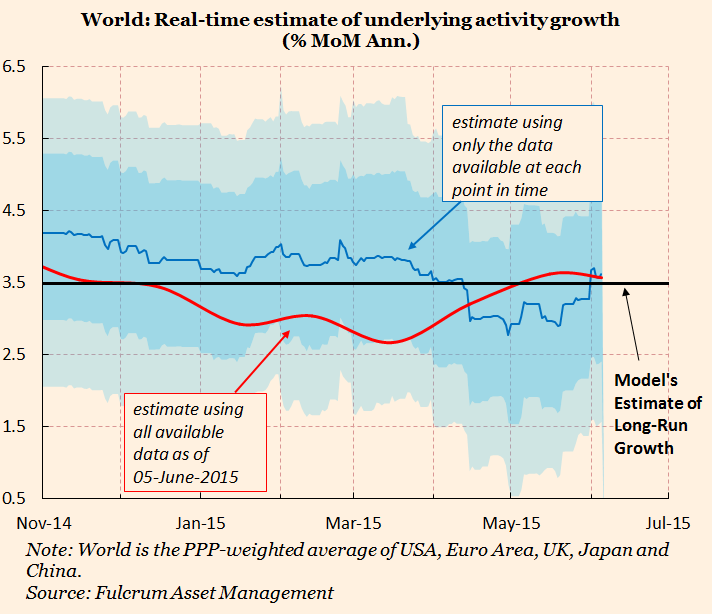
The world economy is currently in trouble, showing both recessionary and deflationary coincident data:

10junn5

Source: Ned Davis10junn3Source: GaveKal

Given these, the resilience of equity markets has been pretty amazing, even more so as we are now a year post-solar maximum:

10junn12The last six months has been particularly weak economically, and normally historically stocks would have sold off leading into this, with stocks typically leading the economy.

In fact, under such extreme levels of valuation, allocations, leverage and sentiment, together with growth, ‘flation, and earnings all rolling over negative as well as the speculation peak of the solar maximum through, the case was extremely strong for 2014’s October sell-off to launch a fully-blown bear market. The weakening economy over the subsequent 6 months and the wealth-reduction effect of the declining stock market would then have fed off each other to create fairly significant devastation.

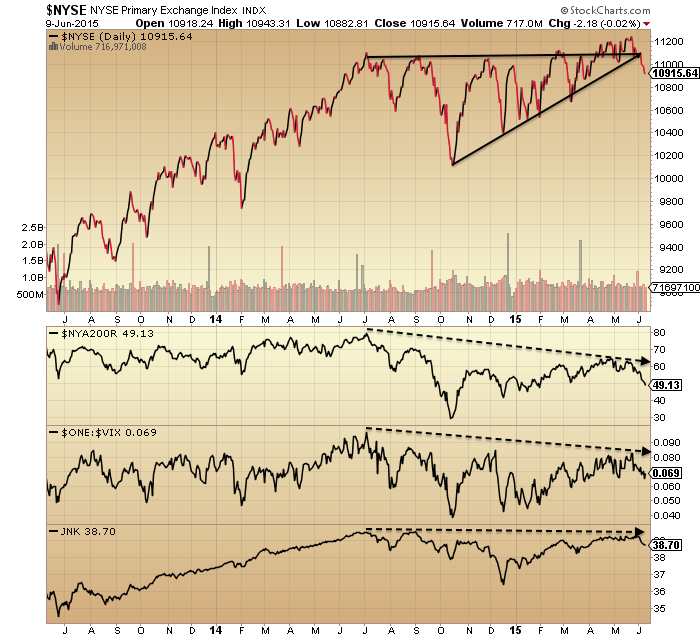
But it didn’t happen. Stocks were somehow saved. However, as pre previous posts, we see a lot of degradation in internals and cross-referenced data since mid last year, giving the potential for price action since then to be ‘last-gasps’. Below is the Dow Jones World stock index which reveals a similar higher high against weakening strength to the last 3 previous major tops.

10junn10Source: Stockcharts

Plus, we have seen a sell-off in recent weeks, making that higher high maybe a fake-out high. We still see saturation levels in valuations, allocations, sentiment and leverage and many negative divergences that all support the bear case.

10junn20

Source: Stockcharts

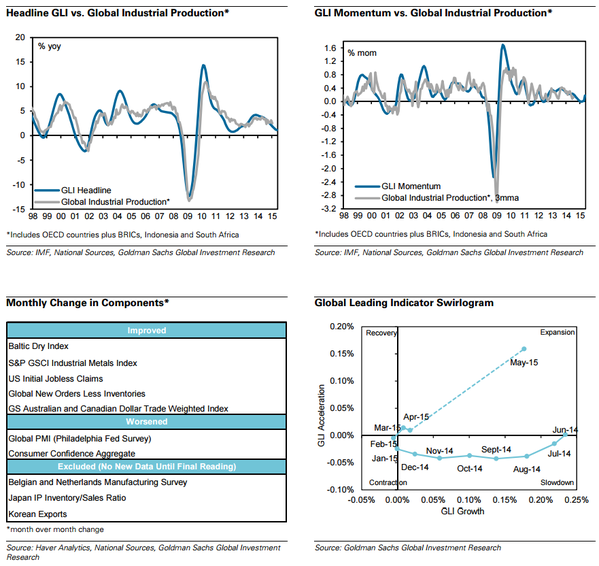
However, set against this, we have recently seen a turn up in leading indicators and what maybe a bottoming in coincident data.

Coincident:

10junn4Source: FT

Leading:

10junn2Source: Goldman Sachs

At the same time we have seen some money exiting bonds and inflation expectations recovering, suggesting some of the expected pick-up being priced in by market participants.

However, real money leading indicators predict this to be another non-sustained pick up in global growth, i.e. still not the move to sustainable strong growth that leads to central banks starting to raise rates. Rather, they predict the growth to peak by October this year and then give way to weakness again.

The key question, therefore, is whether equities can now rally again and keep the bull market going over the next few months against a backdrop of improving economic surprises. If so, then we would need to see stocks repairing this kind of bearish set-up of fake-out plus divergences:

10junn23

Source: Stockcharts

If stocks can do that, then an obvious reference point would then be 1929, with a potential Autumn/Fall peak, a similar length of time post-solar maximum, at similar extremes of valuation and leverage. Anything beyond that and there would be no further reference points. This really would be unchartered territory for world markets, whereby the ‘old rules’ no longer apply.

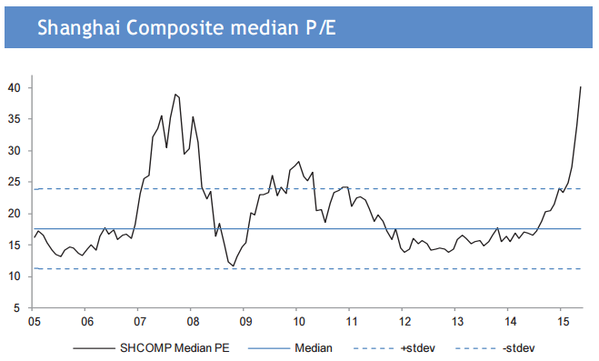
Here’s a look at China’s stock market. The divergence from GDP is extreme and as such valuations are now at a new record.

10junn6 10junn8Source: Sober Look

The rise in margin debt in China has rocketed. Leveraged-based stock rallies are ponzi-schemes, making for a risk of a major unwind at any point. The leverage situation around the world is similarly flagging that risk.

10junn9

Source: DShort

In summary, I believe this is where we find out what really moves the markets. My position on that: dumb forces. Demographics, solar cycles and simply running out of buyers. By the latter I refer to saturation in valuation, leverage, sentiment and allocations: everyone on one side of the boat and borrowed up to the max. We can see additional clues to the fuel drying up in divergences in breadth and other indicators.

June/July is the seasonal geomagnetic peak, so I don’t rule out the possibility of a short rally back up here in stocks. But unless all those under-the-hood July 2014 peaks are repaired, together with the bearish technical set-ups and negative divergences, then I expect leading indicators to be disregarded here, in the same way negative leading indicators were disregarded several months back. The fact that the market has risen against both positive and negative leading and coincident economic data the past 2 years is a clue that economic indicators aren’t the driver. So is central banks? I refer you back to the top two charts. After billions spent on QE and ultra suppressed rates, we still have a world economy on its knees.

The Influence Of The Solar Maximum

The smoothed solar maximum occurred mid-2014.

Screen Shot 2015-06-03 at 08.13.32

Source: Solen

Financial Conditions peaked mid-2014.

Screen Shot 2015-06-03 at 07.35.01Source: Bloomberg

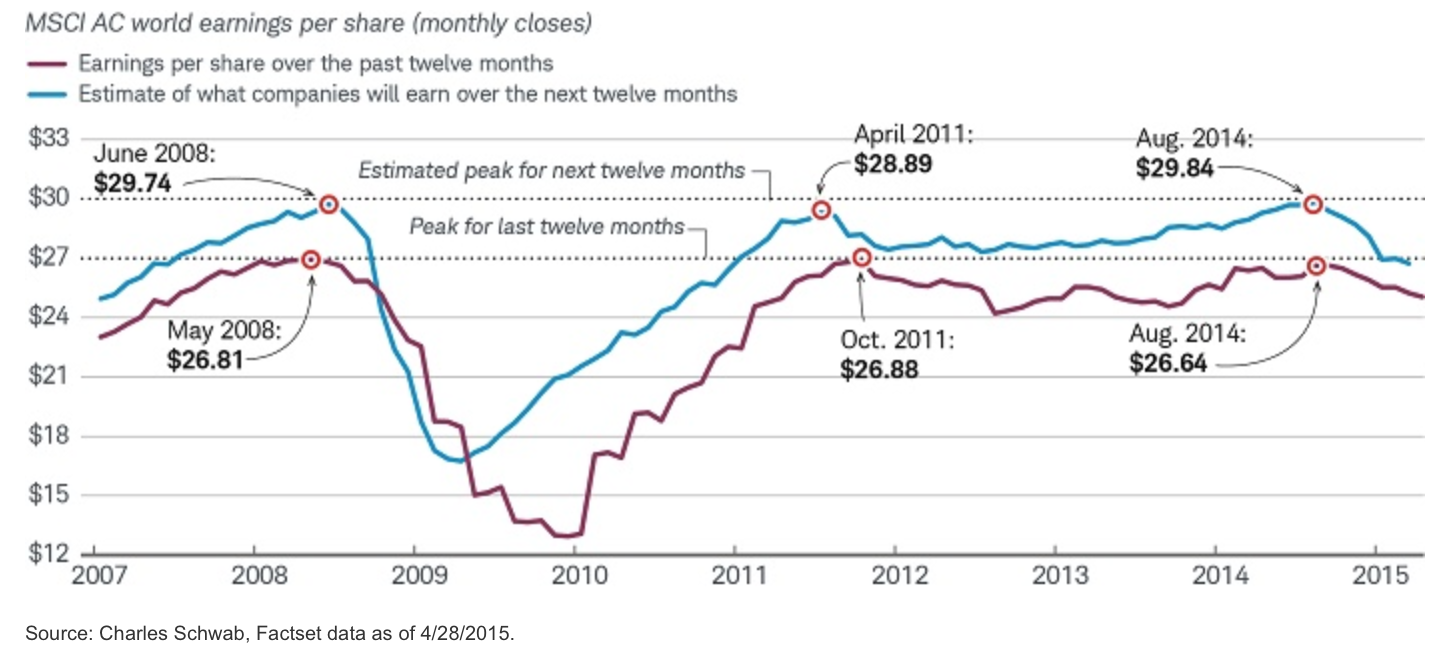
World earnings peaked mid-2014.

Screen Shot 2015-06-03 at 08.12.29

Source: Schwab

US IPOs peaked then.

3junn2Source: Marketwatch

Buybacks peaked then.

Screen Shot 2015-06-03 at 08.23.52Source: Factset

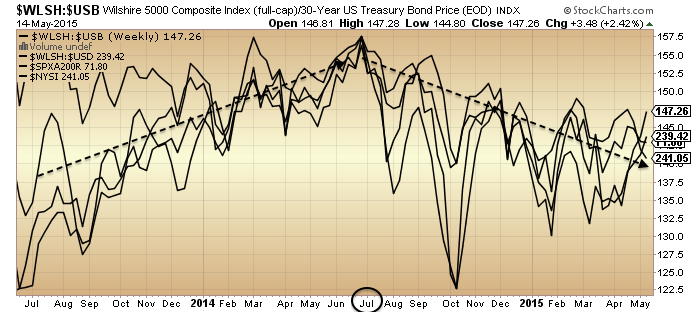
US stocks:dollar, stocks:bonds, volatility (inverted) and breadth all peaked mid-2014.

3junn1

Source: Stockcharts

Junk bonds, commodities and FX all changed course then. European stock indices have since risen in nominal terms, but if we net out the Euro’s decline from the picture then they too peaked mid-2014.

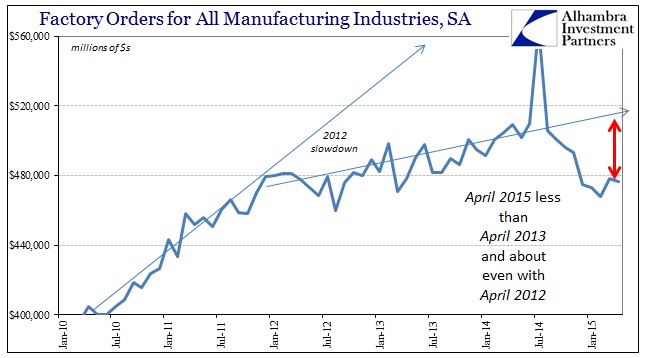
3junn10Various economic data measures peaked out then.

3junn7

Source: Alhambra

This all fits with the theory of peak human excitement at the solar maximum, translating as peak speculation and risk-taking in the markets and peak activity in the economy. However, we need to continue to see further all-round degradation as the sun moves further away from its peak over the rest of 2015, and not least, we need to see the nominal falls in equities now come to pass.


Debt And Demographics Dictating

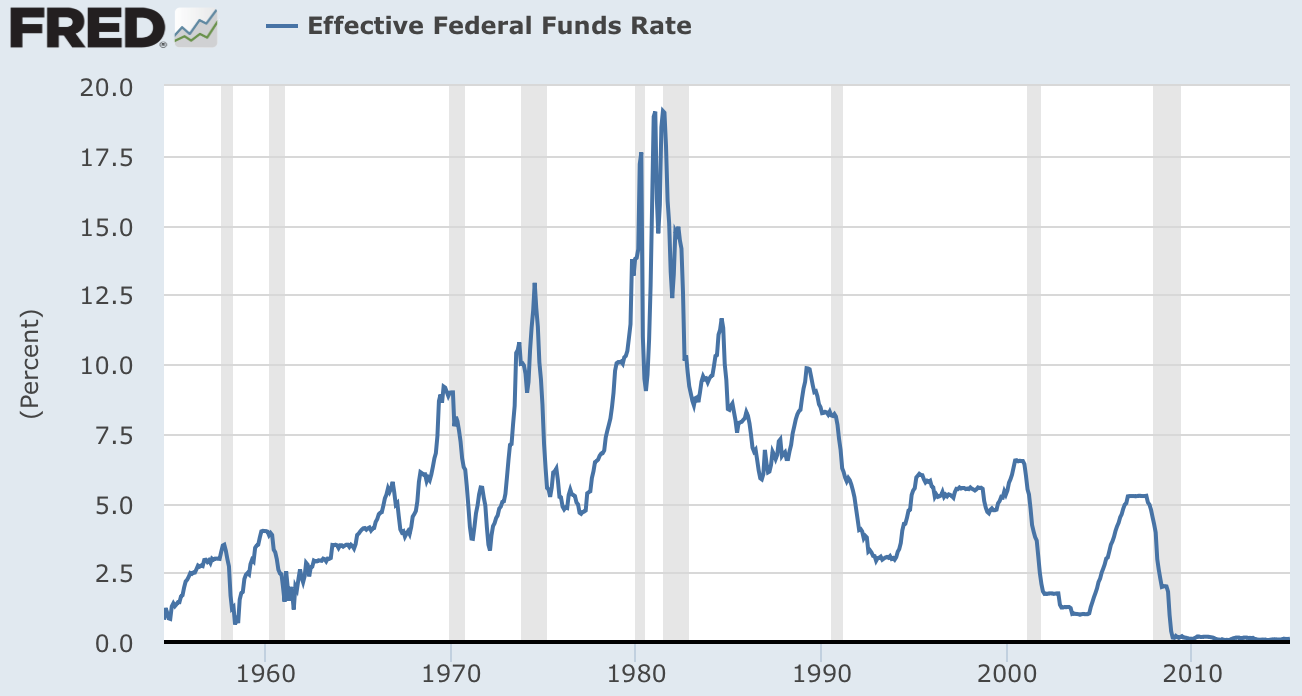
Ever since 2009 analysts in the developed world have largely expected a return to ‘normal’ economic growth and inflation, the kind that necessitates a gradual tightening of interest rates to keep overheating in check. This is based on patterns over the last 50 years following recessions. Yet, as the US chart below shows, something has gone wrong this time, with rates at zero, six years on.

Screen Shot 2015-05-30 at 06.31.59

Source: Fred

Not only that but central banks are still generally easing around the world:

30mays1Source: Charlie Bilello

There are two reasons why global economic growth and inflation aren’t normalising: debt and demographics in the developed nations where world GDP is concentrated. When debt gets too large, too much capital has to be deployed on servicing the debt, redirected away from productive uses. When demographic trends aren’t favourable they can make for deflationary, recessionary pressures, and what is so potent about the current period is that demographics are united negative in the major nations, as per this sobering composite:

30mays2Consequently, central banks are battling to prevent recession and deflation. What does this mean for equities? The stock market has front-run a return to normal growth. As normal growth hasn’t happened, equities are now right at the top end of historic valuations. Each year since 2009 analysts have laid out their predictions for 10% earnings growth and over 3% GDP growth (US), only to see the reality fall short each time. But, the reality hasn’t yet been too dire either, and some would call this a goldilocks scenario for stocks: disinflation but no deflation, meagre growth but positive, monetary conditions kept easy and supportive. So the question going forward is whether this can be maintained.

Last year Q1 US GDP came in negative but the rest of the year recovered. This year the same has happened and whilst there is a question mark against Q2, leading indicators predict a recovery later in the year for the US and for improvement in Europe. However, there was an additional major factor last year: the solar maximum. Speculation and economic activity typically rise into the solar max and recede afterwards.

Currently, the stock market is holding things together due to its wealth effect. A stocks bear would tip the fragile global economy into outright recession and deflation. There is a yawning gap between equity valuations and economic reality, but the common view amongst analysts remains that central bank actions and the ‘normal’ business cycle of the last 50 years will yet produce the return to economic growth and inflation and that we have both a series of rate rises and problematic commodity prices to the upside to go through yet before stocks are in danger.

However, if we look back to the 1930s US or 1990s Japan then we see evidence of a different ‘normal’ in which deflationary recessions and stock bears did occur despite easy conditions in place by central banks. In both cases the yawning gap between equity valuations and persisting economic trouble was ultimately closed. The recent collapse in oil prices and cash flows into increasingly negative yielding bonds reflect bad economic realities, to which the stock market appears to be the last to catch on.

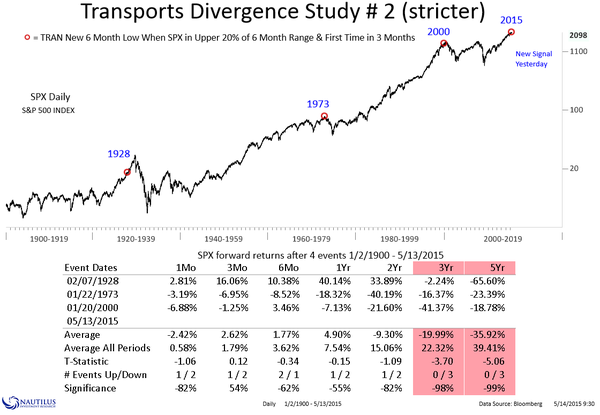
What are the odds of the stock market catching on by range trading sideways for a long period, as it has for much of 2015 so far? The answer is slim. Similar instances in the past of post solar max extreme valuation, sentiment, leverage and allocations, were not only resolved by bear markets, but by the worst bear markets in history. Here is another angle on that:

30mays4Source: Nautilus 

We also see the evidence under-the-hood that the solar max of last year was indeed the game-changer in equities:

15maya22Whilst economic data is disappointing to the downside in the period since too.

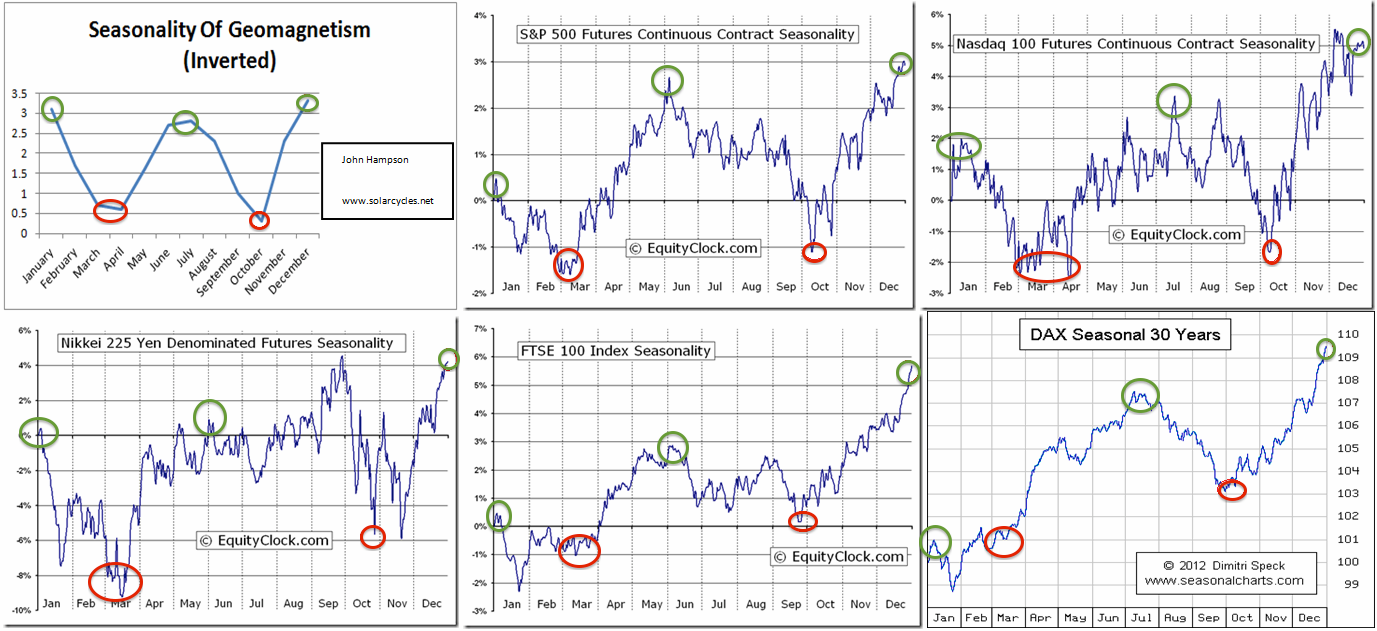
We have reached the geomagnetic seasonal mid-year point which has been a typical high marker in equities historically:

30mays5And technically we have seen a narrowing price range on waning strength and breadth.

15maya30Source: Stockcharts

Plus we see compressed volatility and gold making a long bottoming pattern on increasing strength.

In short, I’m going to continue to attack here (short equities, long gold) because the case is strong. The main concern I have is the upturn in leading indicators (real money, ECRI), because I can’t rule out the possibility that once economic surprises start to improve again then the ageing bull gets a little refuel. However, real money leading indicators again predict this to be a transient improvement, still not the return to ‘normal’ growth, and at some point that belated realisation that normal growth isn’t coming back is going to make the max-leverage, max-bullish, max valuation stock market a house of cards, due to the exceptional skewing and distortion. Odds are this is the time, given (1) the under-the-hood peaking in indicators at the solar max of last year, (2) the current strength/breadth divergences like in 2011, (3) the mid-year seasonal geomagnetic peak, and (4) the likely disappointing data still to come out over the next few weeks. A sharp drop in equities would negate the leading indicator improvement ahead, so that’s what has to be delivered here, to give the bear case the decisive control.


On The Attack

Phasing more into long gold, short Dow, and opened ETF agri long. Don’t follow me… here is my case.

Gold has been making a long base with rising underlying strength since July last year.

15maya20

 Source: Stockcharts

US stocks have shown an underlying decline over the matching same period, as evidenced by stocks:bonds, stocks:dollar and two measures of breadth.

15maya22

 Source: Stockcharts

That turning point in both fits well with the solar maximum, a speculative peak.

The latest attempted breakout in equities has much in common with the July peak in 2011, before the sharp falls. Volatility, momentum, strength and breadth all suggest the breakout should fail.

15maya30

Source: Stockcharts15maya2

 Source: Gavin Parks

Geomagnetism continues to bother and is another telling divergence ripe for resolution, and its overall pattern is reflected in a variety of underlying stock market indicators.

15maya15

15maya1Source: Stockcharts

The US economy is in big trouble. If you haven’t already seen, Zero Hedge presented 7 charts arguing that the US is already in recession, to which PFS group then countered with 7 charts arguing against. I’m sure you all know to take ZH with a pinch of salt (‘fear sells’) but the charts they reference can be be seen at the likes of Alhambra and DShort on more neutral ground.

My input: the ZH charts are ‘true’ and show the US economy in deep water, whilst the PFS charts are also ‘true’, but on close inpection they mainly historically flagged once stocks had turned. In short, the stock market is precariously holding things together and is the only defence from outright disaster (as things stand) in a very fragile state of affairs. What is beyond argument is that certain economic data items are extremely ill whilst stocks are at all-time highs. In my opinion, that disconnect ‘beats’ any cherry-picking by either side and makes for a looming sharp equities correction.

15maya40

Source: Not_Jim_Cramer

15maya50

Source: WSJ

ETF Agriculture shows a similar basing to gold, with historically low current prices in various soft commodities set against a backdrop of a new El Nino and record global temperatures, which historically led to price rises.

15maya17

Source: Callum Thomas15maya10

Source: NOAA

I can’t rule out equities pushing on a little higher yet here before finally rolling over, but I see it limited to days/weeks due to all the telling flags. So my plan is to phase in rather than load in in one go, and that applies to all 3 markets.

Short Term US Update

The breakout in equities is likely to become a fake-out or short final up leg, based on historical indicator patterns. Breadth and strength have negatively diverged:

26apri19Source: Stockcharts

Volatility relativity also suggests a correction or consolidation should now come to pass:

26apri1Source: Fat-Pitch

‘Smart money’ bearishness is off the scale:

26apri20Source: Dana Lyons

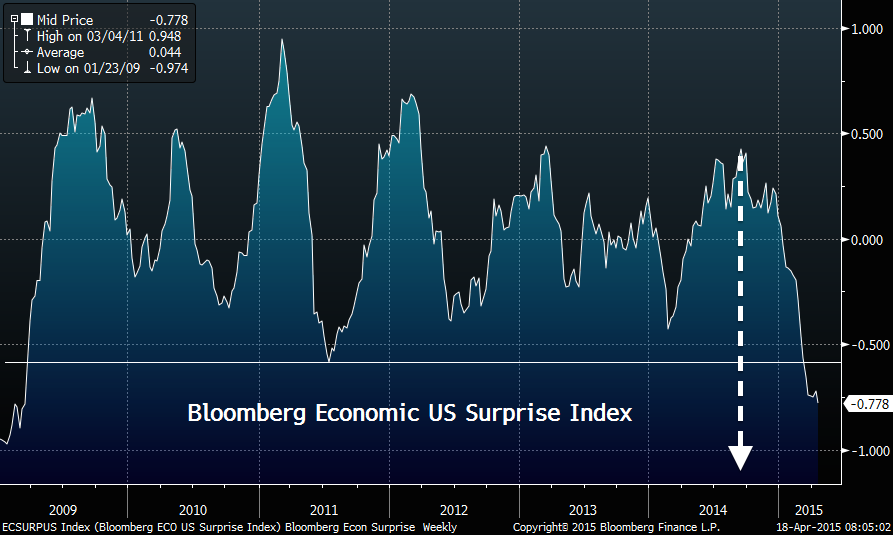
US economic data surprises remains deeply negative. Two updates from this week:

26apri10

Source: Sober Look

26apri5Source: Alhambra

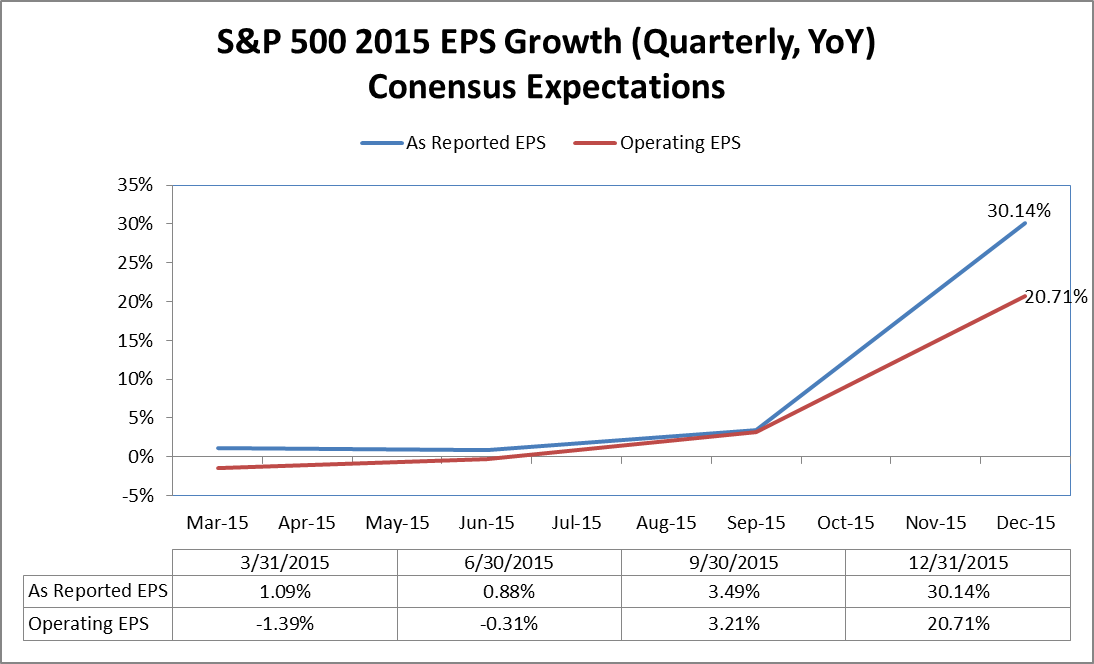
Blended earnings for Q1 are so far better than expected: -2.8% versus -4.6%, but of course still shrinking. Blended revenues are worst than expected -3.5% versus -2.6%. ECRI leading indicators have improved but are still negative.

On the bullish side, leverage has been on the increase again.

26apri7Source: DShort

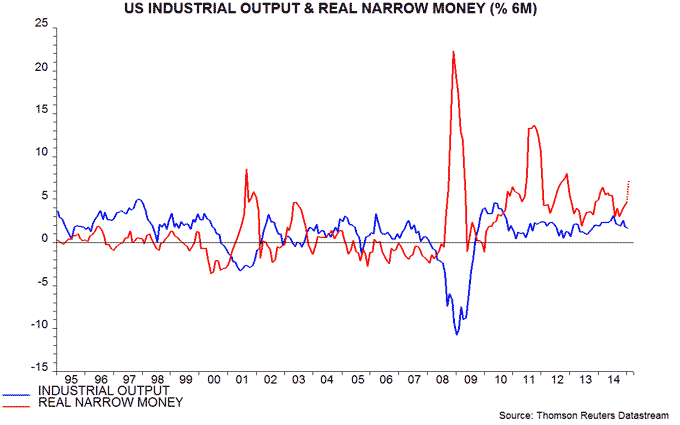
And real narrow money indicators point to economic improvement ahead.
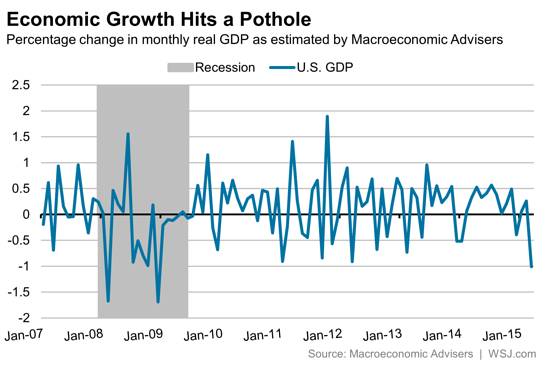
26apri3Source: Moneymovesmarkets

There are two scenarios currently in my mind. My first and highest probability scenario is as per the first several charts above plus all the charts in my last post, namely that stocks are right at the end of a major topping process, and under the hood they already topped. That means last week’s apparent price breakout will quickly fail. I have smallish short Dow and long gold positions aligned to this, looking to build on reversal and momentum.

My secondary or outsider scenario is that US stocks have yet to join Chinese and German stock indices in a parabolic blow off ending pattern, fuelled by potential improvement in economic fortunes/prospects into summer-end. This would be similar to the lag of the Sep 1929 stocks max versus April 1928 solar max, a kind of maximum outsider in the historic range. Should this appear to be occurring I would step aside and continue to try to identify the top.

Ultimately, as things stand right now, I consider all the key supports for the bull have been removed. Earnings, economic data, smart money, allocations, sentiment, valuations, solar max, geomagnetism. We are left with dumb money on leverage, plus expectations that both the economy and earnings will recover in the remainder of 2015. We might consider the latter is key: whether data does improve again – and maybe it is. However, recall the evidence shows that the stock market leads the economy rather than the other way round. The wealth effect of the stock market. The question then is what will cause participants to pull the plug on equities? We are now in a phase of ultra-complacency where most traders can see nothing that would cause that to happen. Yet that ultra-complacency makes us at highest risk of the collapse.

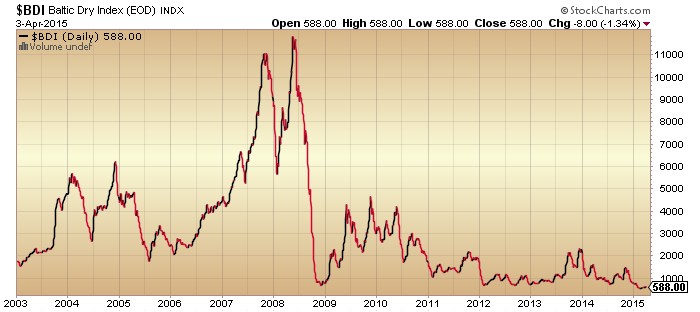
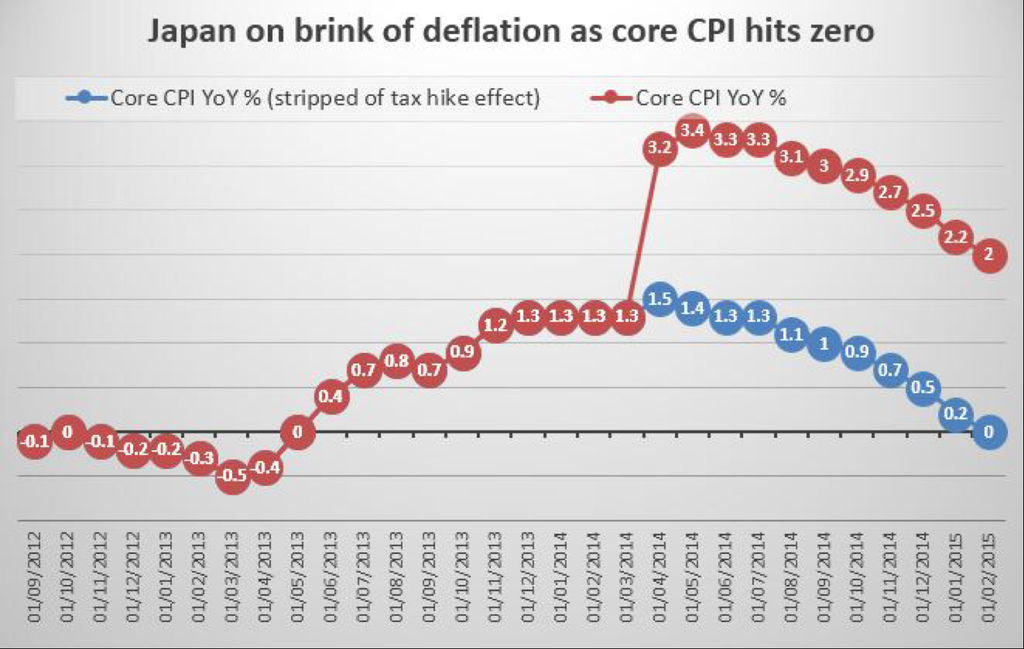
A final chart: the collection of countries now paying negative returns on government bonds. Swiss 10-year bonds are amazingly now paying a guaranteed negative return. It should be clear that when money is being invested in a bond paying an assured loss for several years then it is because deflation, recession and relatively larger losses in other asset classes are expected. Either that, or investors are making a foolish mistake. So who has it right, stocks or bonds? Smart money flows, valuations, allocations and sentiment all continue to show the bubble is in stocks, not bonds. Bonds and commodities are accurately reflecting the harsh reality of current global demographics, trade, and economics, whilst equities have become a ponzi scheme divorced from fundamentals.

26apri12

Source: Emma Masterson


All Change At The Solar Max

1. The solar maximum peaked out mid-2014

19apri30

2. Geomagnetism intensified since then

19apri313. That’s twin negatives for risk assets, reflected in the drop in commodities

19apri32

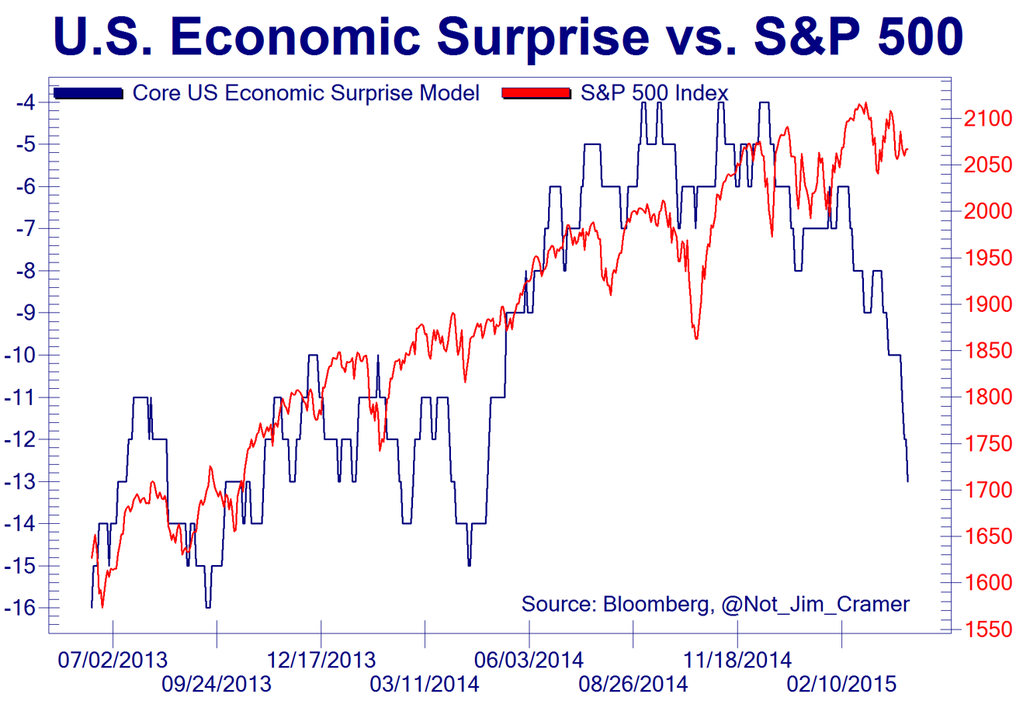
4. It’s also twin negatives for the economy, reflected in data surprises

19apri20

Source: Charlie Bilello

19apri10


Source: Alhambra

5. And in earnings

Screen Shot 2015-04-19 at 05.40.59

Source: Factset

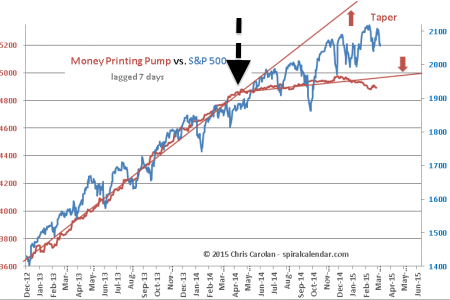
6. And in Fed money printing

19apri8


Source: Spiralcalendar

7. And deteriorating financial conditions

19apri1

Source: WSJScreen Shot 2015-04-19 at 05.19.44

Source: Bloomberg

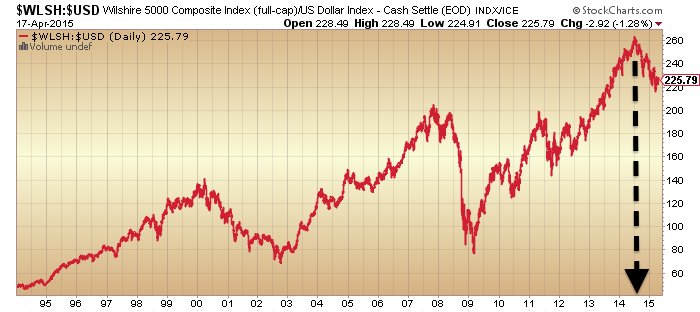
8. Although nominal stocks continue to appear to be in a bull market, measured versus bonds and dollar the top appears to have formed at the same time as all the above

19apri2 19apri3

Source: Stockcharts

9. Plus a look at breadth, volatility and risk appetite also suggests a reversal has occurred

19apri6

10. European stocks appear to be making a blow-off top at high valuations

19apri15 19apri21

 Source: Gavekal

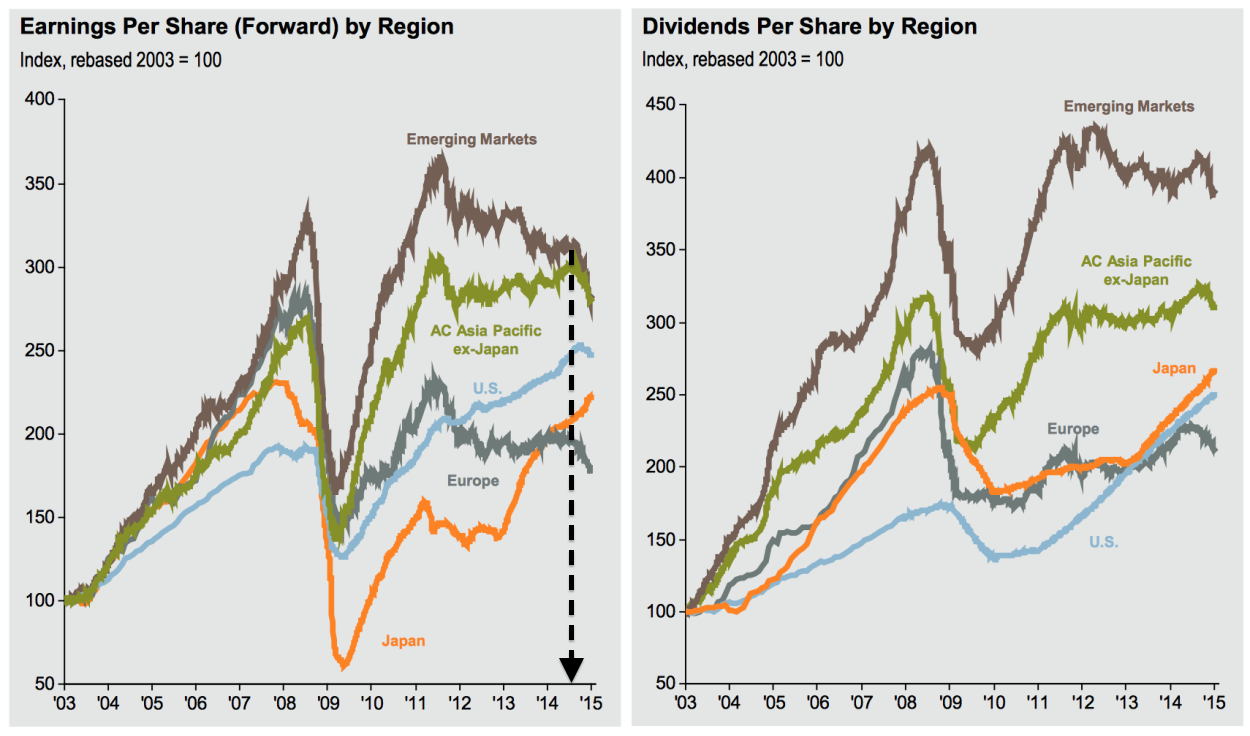
11. And forward earnings for all the main regions bar Japan (the only major that has a positive current demographic window) are negative

19apri23

Source: Shortsideoflong

In short, I still see strong evidence for a reversal in financial markets and economy fitting with last year’s solar maximum, with the final piece of the puzzle being the missing sharp drop in nominal equities. Whilst Friday’s sharp down candle serves only to keep us in a sideways price range, it was another failure high attempt in US equities and I expect will form part of the final roll over in stocks, to fulfil what all the charts above are telling us. Sentiment and allocations remain maxed out:

19apri40

Source: Charlie Bilello

19apri5Source: Stockcharts

Big Picture USA

The solar maximum peaked out mid-2014:

Screen Shot 2015-04-05 at 07.15.14Source: Solen

Speculation should peak out with it, and that appears to have been the case with trend changes in stocks, commodities, dollar and treasury bonds:

5apri50Source: Stockcharts

The speculative target into the solar maximum was primarily equities, as evidenced in allocations, sentiment and (here) valuations:

5apri24

Source: DShort

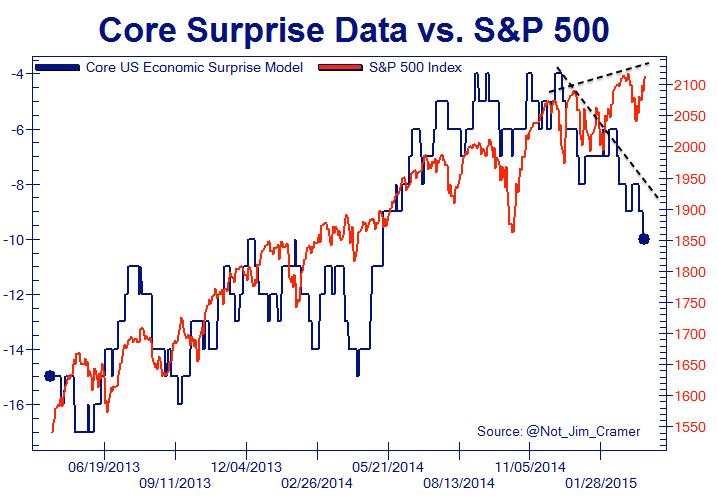
Stocks are now at risk of a sharp reversal, due to the twin supports for lofty valuations of earnings and (here) economic data having turned negative:

5apri10

Source: Not_Jim_Cramer

However, analysts are predicting both will improve as 2015 progresses. The first chart shows they have been downgrading Q1 GDP forecasts whilst slightly upgrading the next 3 quarters. The second chart shows they expect a significant recovery in earnings in H2 2015:

5apri15

Source: FT5apri16Source: Charlie Bilello

Narrow money trends are also predicting an economic recovery by H2 2015, in part due to the benefits of lower commodity prices.

5apri20

Source: Moneymovesmarkets

Counter to that, a range of economic data has already dropped into recessionary levels:

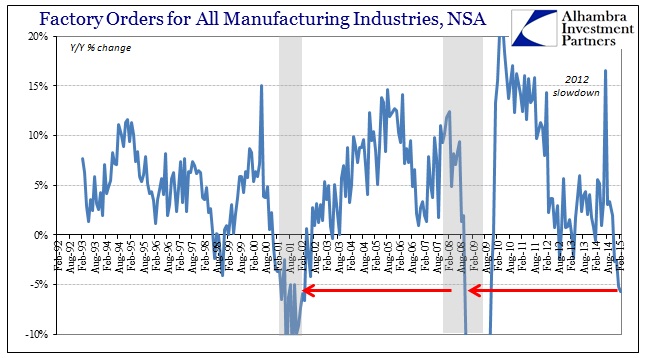
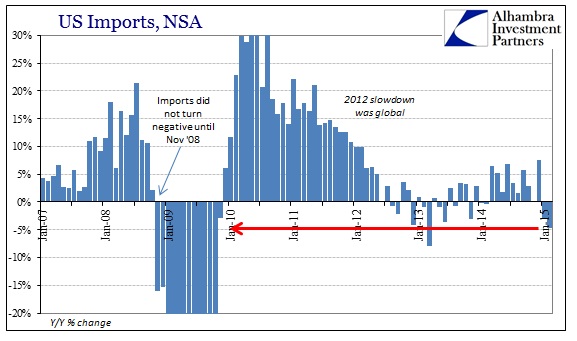
5apri1 5apri2 5apri3Source: Alhambra

The latter two charts play into the global picture, which is one of dwindling world trade:

5apri6

Source: ATimes5apri8Source: Stockcharts

Financial stress in the US is not yet apparent but has crept up in a way similar to 2011 pre stock market falls:

5apri11Source: Charlie Bilello

Supportive to the bull case still are cumulative advance-declines, outperformance of certain cyclical sectors and small caps in 2015, and a current rechallenging of 2014 highs in both leverage measures of margin debt and (here) leveraged loans:

5apri9Source: Stockcharts

However, most other indicators show continuing degradation and divergence.

5apri60Source: Stockcharts

So, piecing it together, I believe the key is whether earnings and the economy do recover again or whether we are in the early part of a negative spiral. Solar theory would argue the latter, whilst analyst opinion favours the former. Either the sharp falls in commodity prices are deflationary and recessionary, or they are to become a new form of easing as 2015 progresses, with positive benefits for the economy and most sector earnings.

I suggest it is unlikely stocks will advance whilst the reporting of Q1 earnings and economic data plays out. Rather, at such lofty valuations, we will need to see evidence of the anticipated improvement first. That sets the scene for either a meaningful correction here, or a sideways range trade in the weeks ahead.

My opinion remains the same: we are in the last gasps of a topping process in equities. We see ample evidence in both indicators and economic data of the shift in behaviour post-solar-max. The negative feedback looping is underway but needs a significant drop in equities to complete it. That should now come to pass, post Equinox and post-second-chance (last post). April is clearly a window for a meaningful drop, set against earnings reports beginning on Wed and anticipated further bad economic data.

If somehow stocks can hold up and range trade over the next several weeks whilst early evidence of a pick up in the US does start to trickle through then maybe this mania can continue for even longer. But I still find it extremely difficult to make a case for that.

The SP500 now needs to break down beneath the March lows. The divergences suggest this should occur.

5apri70Source: Stockcharts

Meanwhile, the commercial positioning on gold suggests a rally, which would fit with a drop in equities:

5apri5Source: Ispyetf


Post Equinox

Did the mania leader, Biotech, peak out on the Equinox, 20 March?

29marc7

 Source: Stockcharts

Too early to determine, but the relevance of the Equinox is here:

29marc9

Source: Stockcharts

Not just Biotech, but the wider US markets, the Dax, the Euro-USD and gold all appear to have made tentative reversals at this Equinox. Is it going to stick? I moved back in short US stocks and long gold.

This is a stock market on borrowed time since last year’s solar maximum:

29marc

Source: Stockcharts

Screen Shot 2015-03-29 at 08.35.47

Source: UBS29marc2Source: Not_Jim_Cramer

Geomagnetism has ramped up just like at the 2000 peak:

22marc41 22marc31Earnings season kicks off 8th April. Given the negative pre-announcements and forward estimates, can this reporting season really be a buy? Unlikely.

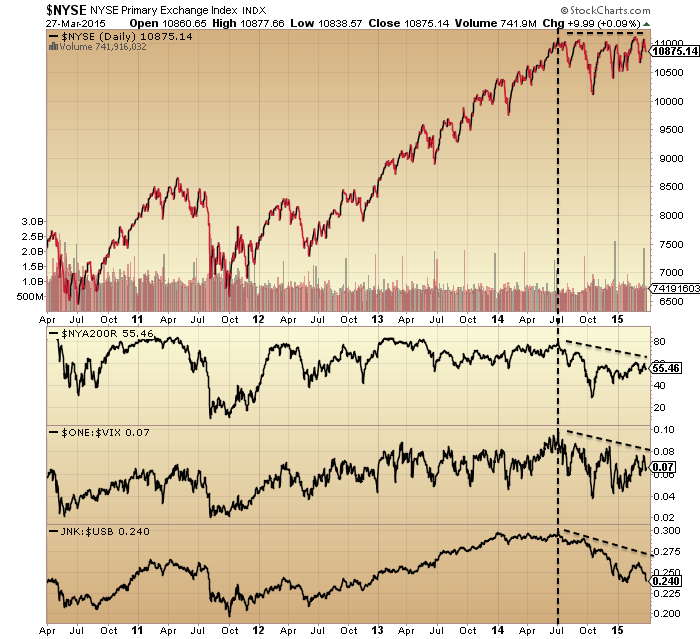
The NYSE looks to be at the end of a topping process that has seen declining breadth, rising volatility and a gradual increase in risk-off appetite:

29marc6Source: Stockcharts

Sentiment, allocations and valuations are all saturated. Economic surprises and leading indicators are negative. Fed balance sheet expansion has ceased, and central bank actions are being revealed to be fairly impotent….

29marc1Source: Jessie Felder

In short, why would stocks not have topped out here?

We have negative pressure into the full moon of April 4th. Then earnings season gets underway. Plus that familiar topping pattern may have formed:

29marc11

29marc12

Nothing repeats exactly, but a break beneath the existing March 2015 lows this coming week looks to be key. If instead the stalling of Thurs/Fri last week lets the bulls back in this week then a more complex topping pattern could unfold. But as things stand this all looks increasingly promising to me. A key week ahead.